Safeguarding Traditional Instrument-Making through IP
15/12/2025
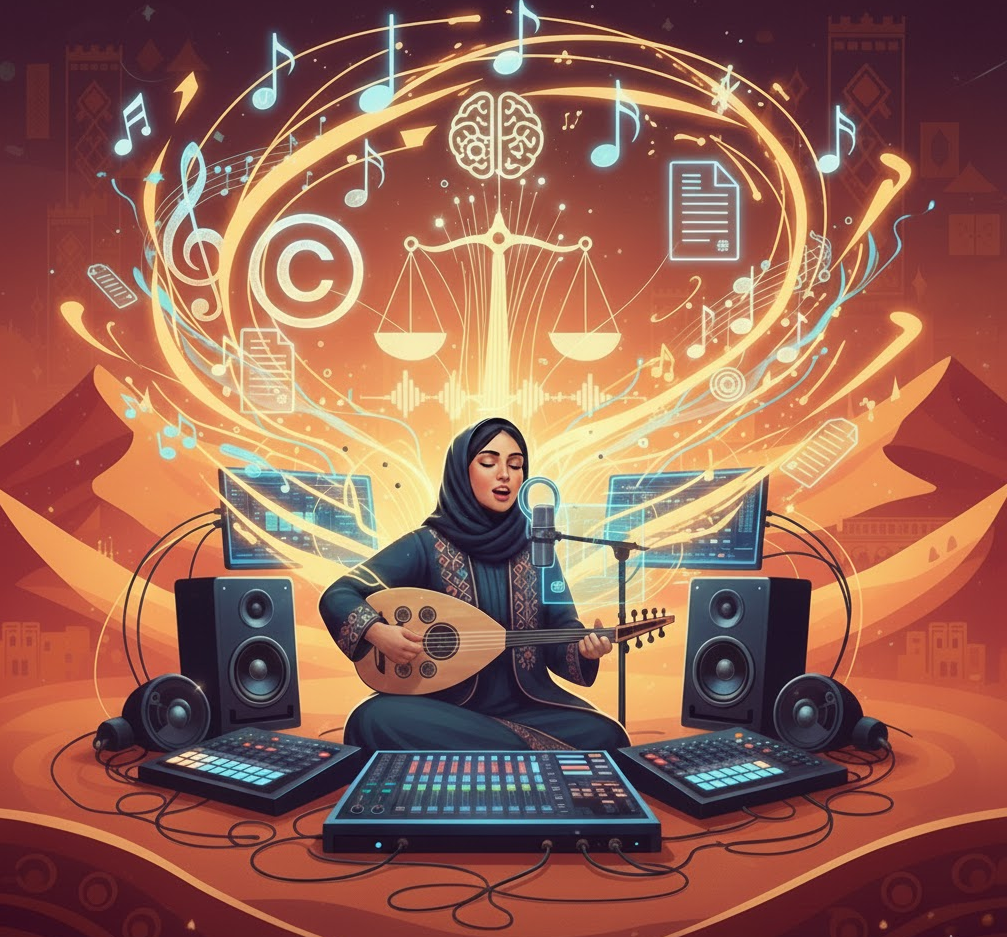
In Saudi Arabia and across the Gulf region, music and poetry have long served as vital forms of cultural expression, deeply connected to local identity and heritage. However, many creators within this space have historically lacked sufficient awareness of intellectual property rights, particularly copyright protection, ownership, and licensing of creative works. Against this backdrop, Ahmed Alsallal emerged as a distinctive figure by combining his creative talents with professional knowledge of intellectual property law. As a music producer and poet, he integrates traditional Saudi musical elements—such as local rhythms, poetic forms, and cultural themes—with modern production techniques. Beyond artistic innovation, he consciously uses his creative platform to promote understanding of intellectual property rights, thereby transforming music into a medium for IP awareness and education throughout the region.
The central issue addressed through Alsallal’s work is how intellectual property education can be effectively communicated to creative communities without relying solely on formal legal mechanisms or technical instruction. Many artists do not engage with legal texts or policy discussions, which creates a gap between creative output and legal protection. The challenge, therefore, lies in finding ways for cultural figures to embed IP-related knowledge into their creative works in a manner that is accessible, engaging, and culturally relevant. This approach aims not only to protect creative works but also to ensure that artists understand the value of their rights while continuing to preserve and promote cultural heritage.
Ahmed Alsallal’s approach provides important insight into how cultural expression and legal awareness can operate together. By integrating themes of authorship, originality, and ownership into his music and public discourse, he reframes intellectual property as a natural extension of creative identity rather than an external legal obligation. His work demonstrates that when IP concepts are presented through culturally familiar and emotionally engaging formats, creators are more likely to understand and respect them. This integration helps normalize intellectual property as a core value among emerging artists, reinforcing the idea that protecting creative rights is essential to sustaining both individual livelihoods and cultural traditions.
Ahmed Alsallal’s work stands as a strong example of how artistic expression can function as a form of intellectual property advocacy. His efforts illustrate that creators themselves can play a crucial role in spreading IP awareness by embedding legal principles within their creative practices. By engaging audiences emotionally through music while simultaneously conveying practical knowledge about creative rights, he shows that intellectual property education does not have to be confined to legal institutions. This model highlights the potential for culturally driven, creator-led initiatives to strengthen IP awareness, protect heritage, and empower artists across evolving creative economies.
Priyanka Gupta